
Prime Rib
Introduction
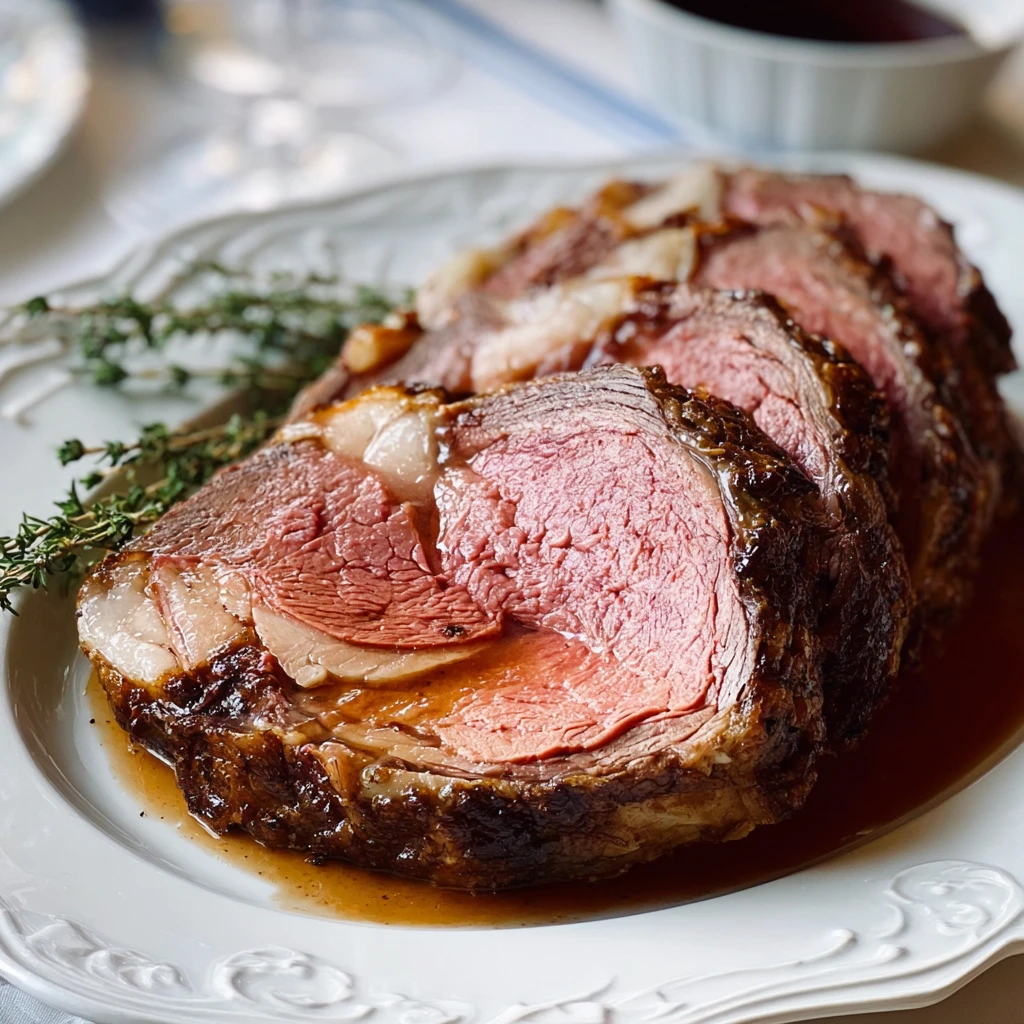
Imagine the aroma of a perfectly roasted prime rib wafting through your kitchen, promising a mouthwatering culinary experience like no other. Prime rib, also known as standing rib roast, is a classic centerpiece for special occasions and holiday feasts. Its tender, juicy meat and rich flavor make it a beloved choice for meat lovers around the world.
Originating from traditional English cuisine, prime rib has evolved into a symbol of indulgence and celebration. This iconic dish signifies warmth, togetherness, and the joy of sharing a delicious meal with loved ones. Whether you’re a seasoned chef or a home cook looking to impress, mastering the art of cooking prime rib is a rewarding experience that yields delectable results.
In this comprehensive guide, we will delve into the art of preparing the perfect prime rib, exploring its history, cooking techniques, and serving suggestions. Get ready to embark on a culinary journey that will elevate your cooking skills and delight your taste buds.
So, roll up your sleeves, preheat your oven, and let’s uncover the secrets of creating an unforgettable prime rib feast that will leave your guests craving for more.
Why You’ll Love Prime Rib
Indulge in the luxurious experience of savoring succulent slices of prime rib, and you’ll understand why this dish holds a special place in the hearts of food enthusiasts. Here’s why you’ll fall in love with prime rib:
The rich marbling of the meat ensures a tender and flavorful result.
The slow roasting process allows the meat to develop a perfect crust while retaining its juiciness.
Prime rib is a versatile dish that can be seasoned and customized to suit various flavor profiles.
Whether you’re hosting a festive gathering or a cozy dinner party, prime rib adds an element of sophistication and elegance to any occasion.
Ingredients
Before you embark on your prime rib cooking adventure, let’s gather the essential ingredients that will elevate this dish to gourmet status:
Prime rib roast (bone-in or boneless)
Fresh herbs (such as rosemary and thyme)
Garlic cloves
Butter
Olive oil
Salt and black pepper
Optional: Red wine for deglazing
Feel free to customize your seasoning blend or add your favorite herbs and spices to enhance the flavor profile of your prime rib.
Step-by-Step Instructions
Preparing a mouthwatering prime rib roast requires precision and patience. Follow these step-by-step instructions to achieve a perfectly cooked masterpiece:
Remove the prime rib roast from the refrigerator and let it come to room temperature for about an hour.
Preheat your oven to the desired temperature based on your preferred level of doneness.
Season the meat generously with salt, pepper, minced garlic, and fresh herbs, ensuring an even coating.
Place the prime rib in a roasting pan, fat side up, and insert a meat thermometer into the thickest part of the roast.
Roast the prime rib in the oven until the internal temperature reaches your desired level of doneness.
Allow the meat to rest before carving to ensure optimal juiciness and tenderness.
Pro Tip: Use the pan drippings to make a flavorful au jus or gravy to accompany your prime rib.
Expert Tips for Success
Mastering the art of cooking prime rib requires attention to detail and a few expert tips to ensure a flawless outcome:
Invest in a high-quality meat thermometer to accurately monitor the internal temperature of the roast.
Letting the meat rest after cooking allows the juices to redistribute, resulting in a more flavorful and tender prime rib.
For added flavor, consider using a compound butter or herb rub to season the meat before roasting.
Avoid overcooking the prime rib to preserve its natural juices and prevent dryness.
Ensure your oven is properly calibrated to achieve consistent and reliable results when roasting the prime rib.
Variations and Substitutions
While traditional prime rib is a timeless classic, there are various ways to customize this dish to suit your preferences:
Experiment with different herb and spice blends to create unique flavor profiles for your prime rib.
Consider using a boneless prime rib roast for easier carving and serving convenience.
For a twist on the classic recipe, try marinating the prime rib in a flavorful marinade before roasting.
Explore alternative cooking methods, such as grilling or smoking, to infuse a smoky flavor into the prime rib.
Serving Suggestions
Once you’ve perfected your prime rib roast, it’s time to present it in all its glory. Here are some serving suggestions to elevate your dining experience:
Pair the prime rib with creamy mashed potatoes and roasted vegetables for a well-rounded meal.
Offer a selection of gourmet sauces or condiments, such as horseradish cream or chimichurri, to complement the rich flavors of the meat.
Serve the prime rib with a side of freshly baked dinner rolls or artisan bread to soak up the savory juices.
For a festive touch, garnish the platter with fresh herbs, edible flowers, or citrus slices to add visual appeal.
FAQs
As you embark on your prime rib cooking journey, you may encounter common questions and uncertainties. Here are some FAQs to guide you through the process:
Q: How do I determine the doneness of the prime rib?
A: Use a meat thermometer to check the internal temperature of the roast. For rare, medium-rare, and medium doneness, aim for specific temperature ranges.
Q: Can I prepare prime rib in advance?
A: While it’s best to roast prime rib just before serving for optimal freshness, you can season the meat in advance and refrigerate it until ready to cook.
Q: How should I store leftover prime rib?
A: Wrap the leftover prime rib tightly in foil or plastic wrap and store it in the refrigerator. Reheat gently in the oven to preserve its juiciness.
Q: Can I freeze cooked prime rib?
A: Yes, you can freeze cooked prime rib for future enjoyment. Ensure proper wrapping to prevent freezer burn and thaw it slowly in the refrigerator before reheating.
Final Thoughts
As you reach the end of this culinary journey, armed with knowledge and inspiration, it’s time to put your newfound skills to the test. Cooking prime rib is not just about creating a meal—it’s about crafting a memorable experience that delights the senses and brings people together.
So, gather your ingredients, preheat your oven, and let the savory aroma of prime rib fill your kitchen. Whether you’re hosting a holiday feast or a cozy dinner for two, the art of cooking prime rib will always be a cherished tradition that evokes warmth, joy, and culinary excellence.
Embrace the challenge, savor the rewards, and remember that the secret ingredient to a perfect prime rib roast is passion. Happy cooking!
Prime Rib
Learn how to master the art of cooking a perfect prime rib roast that promises a tender, juicy, and flavorful dining experience for special occasions and gatherings.
Ingredients
- 1 (8-pound) prime rib roast (bone-in or boneless)
- Fresh herbs (such as rosemary and thyme)
- 5 garlic cloves, minced
- 1/2 cup butter
- 1/4 cup olive oil
- Salt and black pepper to taste
- Optional: Red wine for deglazing
Directions
- Remove the prime rib roast from the refrigerator and let it come to room temperature for about an hour.
- Preheat your oven to 375°F (190°C).
- Season the meat generously with salt, pepper, minced garlic, and fresh herbs, ensuring an even coating.
- Place the prime rib in a roasting pan, fat side up, and insert a meat thermometer into the thickest part of the roast.
- Roast the prime rib in the oven for about 2 hours or until the internal temperature reaches your desired level of doneness.
- Allow the meat to rest for 15 minutes before carving to ensure optimal juiciness and tenderness.
- Use the pan drippings to make a flavorful au jus or gravy to accompany your prime rib.