

Roman Pasta
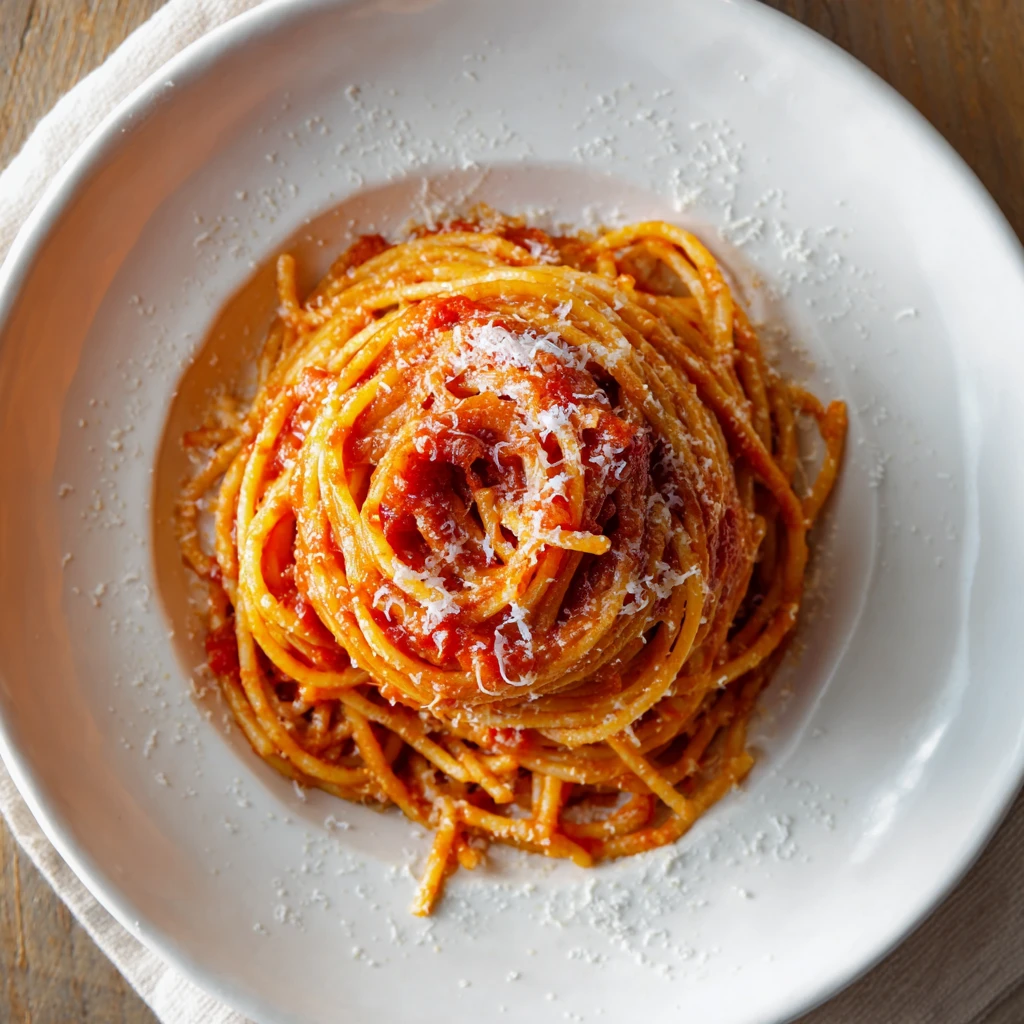
Introduction
Imagine yourself transported back in time to ancient Rome, where the aroma of freshly cooked pasta wafts through the bustling streets. Roman pasta, a culinary delight that has stood the test of time, is a testament to the rich and diverse food culture of Italy. This traditional dish has captured the hearts and taste buds of people around the world, offering a unique blend of flavors and textures that are simply irresistible.
What sets Roman pasta apart is not just its delicious taste but also the stories and traditions woven into every bite. Passed down through generations, this recipe carries with it a sense of history and heritage that adds an extra layer of richness to the dining experience. Whether you’re a seasoned chef or a novice cook, mastering the art of Roman pasta is sure to elevate your culinary skills to new heights.
Join us on a journey through the streets of ancient Rome as we unravel the secrets of this beloved dish and learn how to recreate its magic in your own kitchen. Get ready to embark on a gastronomic adventure like no other, where every forkful is a step back in time to the glory days of the Roman Empire.
Get your pots and pans ready, sharpen your knives, and let’s dive into the world of Roman pasta—a culinary masterpiece that continues to enchant and delight food lovers worldwide.
Why You’ll Love Roman Pasta
One bite of Roman pasta, and you’ll understand why this dish holds a special place in the hearts of so many. Here’s why you’ll fall in love with this classic Italian recipe:
First and foremost, Roman pasta is incredibly versatile, allowing you to experiment with different ingredients and flavors to suit your preferences. Whether you prefer a creamy carbonara or a zesty cacio e pepe, there’s a Roman pasta variation for everyone.
Another reason to love this dish is its simplicity. With just a few key ingredients, you can create a flavorful and satisfying meal that is perfect for any occasion. From busy weeknights to leisurely weekend dinners, Roman pasta is a go-to recipe that never fails to impress.
Furthermore, Roman pasta is a comfort food like no other. Its hearty and soul-warming qualities make it the ultimate dish to enjoy with family and friends, creating lasting memories around the dining table. The timeless appeal of Roman pasta lies in its ability to evoke feelings of nostalgia and togetherness with every bite.
Lastly, the sheer indulgence of savoring a plate of freshly cooked Roman pasta is an experience that transcends mere sustenance. It’s a sensory journey that delights the palate, ignites the senses, and leaves you craving more. Prepare to be captivated by the allure of Roman pasta and discover why it has stood the test of time as a culinary masterpiece.
Ingredients
Before you embark on your Roman pasta culinary adventure, let’s take a look at the key ingredients you’ll need to bring this dish to life:
1. Pasta (such as spaghetti, fettuccine, or rigatoni) – Choose your favorite type of pasta for the base of your dish.
2. Eggs – Used to create a creamy sauce that coats the pasta and adds richness to the dish.
3. Pecorino Romano cheese – A sharp and salty cheese that imparts a distinctive flavor to Roman pasta.
4. Guanciale or pancetta – Cured pork jowl or belly that provides a savory and meaty element to the dish.
5. Black pepper – Adds a touch of heat and a pop of flavor to complement the other ingredients.
6. Olive oil – Used for cooking the guanciale or pancetta and adding a luscious mouthfeel to the dish.
7. Salt – To season the pasta water and sauce to taste.
Feel free to customize your Roman pasta by adding ingredients like garlic, onions, or chili flakes for an extra burst of flavor. Now that you have your ingredients ready, let’s dive into the step-by-step instructions for creating the perfect plate of Roman pasta.
Step-by-Step Instructions
1. Cook the pasta in a large pot of salted boiling water until al dente. Reserve a cup of pasta water before draining.
2. In a separate bowl, whisk together eggs, grated Pecorino Romano cheese, and black pepper to create the sauce. Set aside.
3. In a skillet, heat olive oil over medium heat and add the guanciale or pancetta. Cook until crispy and golden brown.
4. Once the pasta is cooked, transfer it to the skillet with the guanciale or pancetta, tossing to coat the pasta in the rendered fat.
5. Remove the skillet from heat and quickly pour in the egg and cheese mixture, stirring vigorously to create a creamy sauce. If the sauce is too thick, add some reserved pasta water to loosen it.
6. Season with salt and additional black pepper to taste. Serve the Roman pasta hot, garnished with extra Pecorino Romano cheese and a sprinkle of black pepper.
Now that you’ve mastered the basic steps of preparing Roman pasta, let’s explore some expert tips for ensuring your dish turns out perfectly every time.
Expert Tips for Success
1. Use high-quality ingredients, especially Pecorino Romano cheese and guanciale or pancetta, to elevate the flavor of your Roman pasta.
2. Toss the pasta in the skillet off the heat to prevent the eggs from scrambling and ensure a silky smooth sauce.
3. Adjust the amount of black pepper to suit your taste preferences, keeping in mind that it should add a subtle heat to the dish.
4. If you’re concerned about using raw eggs in the sauce, you can briefly cook the mixture over low heat to thicken it slightly without scrambling the eggs.
5. Experiment with different pasta shapes and sizes to create unique variations of Roman pasta that cater to your personal preferences.
By following these expert tips, you’ll be well on your way to mastering the art of Roman pasta and impressing your family and friends with your culinary skills. Now, let’s explore some creative variations and substitutions to customize this classic recipe.
Variations and Substitutions
1. Vegetarian Option: Replace the guanciale or pancetta with sautéed mushrooms or sun-dried tomatoes for a meat-free version of Roman pasta.
2. Seafood Twist: Add shrimp, clams, or mussels to your Roman pasta for a seafood-infused dish that brings a taste of the Mediterranean to your table.
3. Fresh Herb Addition: Stir in chopped fresh herbs like parsley, basil, or thyme to brighten up the flavors of your Roman pasta and add a touch of freshness.
4. Lemon Zest Upgrade: Finish your Roman pasta with a sprinkle of lemon zest for a citrusy kick that balances the richness of the dish.
5. Spicy Kick: Amp up the heat by adding a pinch of red pepper flakes or a drizzle of chili oil to your Roman pasta for a fiery twist.
With these creative variations and substitutions, you can put your own spin on the classic Roman pasta recipe and create personalized dishes that cater to your taste preferences and dietary restrictions. Now, let’s move on to serving suggestions to enhance your dining experience.
Serving Suggestions
When it comes to serving Roman pasta, simplicity is key. Let the flavors of the dish shine by keeping the accompaniments minimal and complementary. Here are some serving suggestions to elevate your Roman pasta experience:
1. Garnish each plate of Roman pasta with a sprinkle of freshly grated Pecorino Romano cheese and a twist of freshly ground black pepper for a finishing touch of flavor.
2. Pair your Roman pasta with a crisp green salad dressed in a light vinaigrette to balance the richness of the dish with a refreshing contrast.
3. Serve a side of crusty Italian bread or garlic bread to mop up any remaining sauce and savor every last bit of flavor.
4. Accompany your Roman pasta with a glass of Italian red wine, such as Chianti or Sangiovese, to enhance the dining experience with a perfect wine pairing.
By following these serving suggestions, you’ll create a well-rounded meal that highlights the flavors and textures of Roman pasta while providing a satisfying and enjoyable dining experience for you and your guests. Next, let’s address some common questions and troubleshooting tips that may arise during the cooking process.
FAQs
Q: Can I use Parmesan cheese instead of Pecorino Romano for Roman pasta?
A: While Pecorino Romano cheese is traditional in Roman pasta, you can substitute it with Parmesan cheese if needed. Keep in mind that Parmesan has a milder flavor, so adjust the seasoning accordingly.
Q: How do I prevent the eggs from scrambling when making the sauce for Roman pasta?
A: To avoid scrambled eggs, ensure that the pasta and skillet are off the heat when adding the egg and cheese mixture. Stir the sauce quickly and continuously to create a smooth and creamy consistency.
Q: Can I make Roman pasta ahead of time and reheat it later?
A: Roman pasta is best enjoyed fresh, as reheating may cause the sauce to become clumpy. If you need to prepare it in advance, store the components separately and assemble just before serving.
Q: What can I serve with Roman pasta besides salad and bread?
A: Roman pasta pairs well with roasted vegetables, grilled meats, or a simple tomato bruschetta for a complete and satisfying meal. Feel free to experiment with different side dishes to complement the flavors of the dish.
With these FAQs and troubleshooting tips, you’ll be equipped to tackle any challenges that may arise while preparing Roman pasta and ensure a smooth cooking experience from start to finish. Finally, let’s conclude our culinary journey with some parting thoughts.
Final Thoughts
As we come to the end of our exploration of Roman pasta, we hope you’ve been inspired to embrace this timeless recipe and make it a staple in your culinary repertoire. The allure of Roman pasta lies not only in its delicious flavors but also in the stories and traditions that accompany it, making each bite a celebration of history and heritage.
Whether you’re cooking for a crowd or simply indulging in a solo pasta night at home, Roman pasta offers a culinary experience like no other. From its humble beginnings in the streets of ancient Rome to its status as a beloved classic worldwide, this dish has withstood the test of time and continues to captivate food enthusiasts of all ages.
So, gather your ingredients, follow the steps with care, and savor the satisfaction of creating a dish that embodies the essence of Italian cuisine. Let the flavors of Roman pasta transport you to a bygone era where food was more than sustenance—it was a celebration of life, love, and community.
Thank you for joining us on this flavorful journey through the world of Roman pasta. Buon appetito!
Roman Pasta
Experience the taste of ancient Rome with this classic Roman pasta dish. A creamy and flavorful pasta recipe that has stood the test of time, blending rich ingredients to create a culinary masterpiece.
Ingredients
- Pasta (such as spaghetti, fettuccine, or rigatoni)
- Eggs
- Pecorino Romano cheese
- Guanciale or pancetta
- Black pepper
- Olive oil
- Salt
Directions
- Cook the pasta in salted boiling water until al dente. Reserve a cup of pasta water before draining.
- Whisk together eggs, Pecorino Romano cheese, and black pepper to create the sauce. Set aside.
- Heat olive oil in a skillet, add guanciale or pancetta, cook until crispy.
- Transfer the cooked pasta to the skillet, toss to coat in the rendered fat.
- Remove from heat, pour in the egg and cheese mixture, stir vigorously to create a creamy sauce. Add reserved pasta water if needed.
- Season with salt and pepper, serve hot with extra Pecorino Romano cheese and black pepper garnish.